Our Story
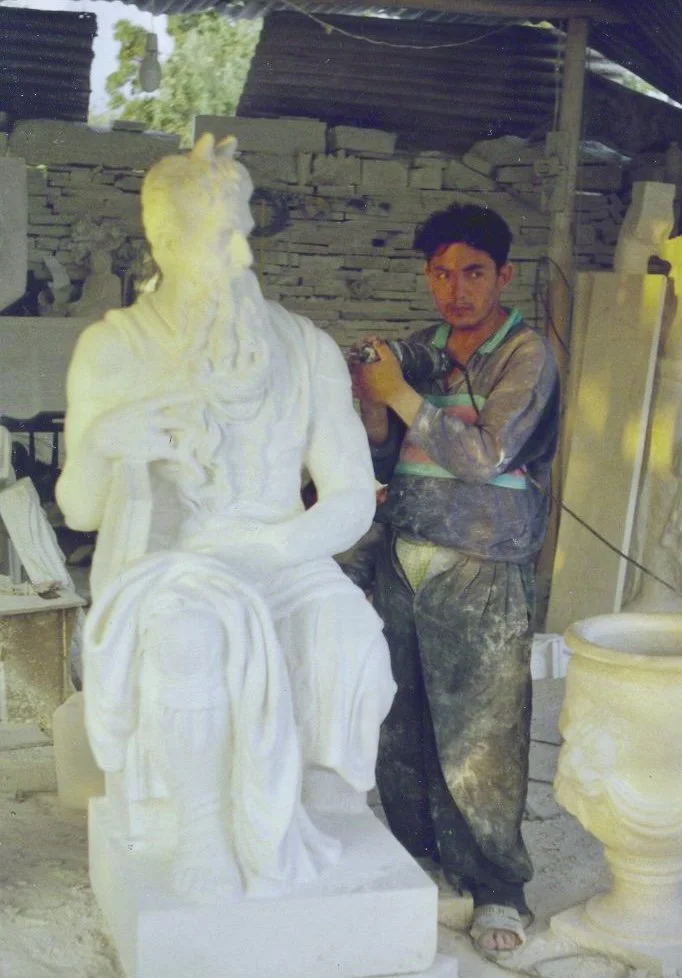
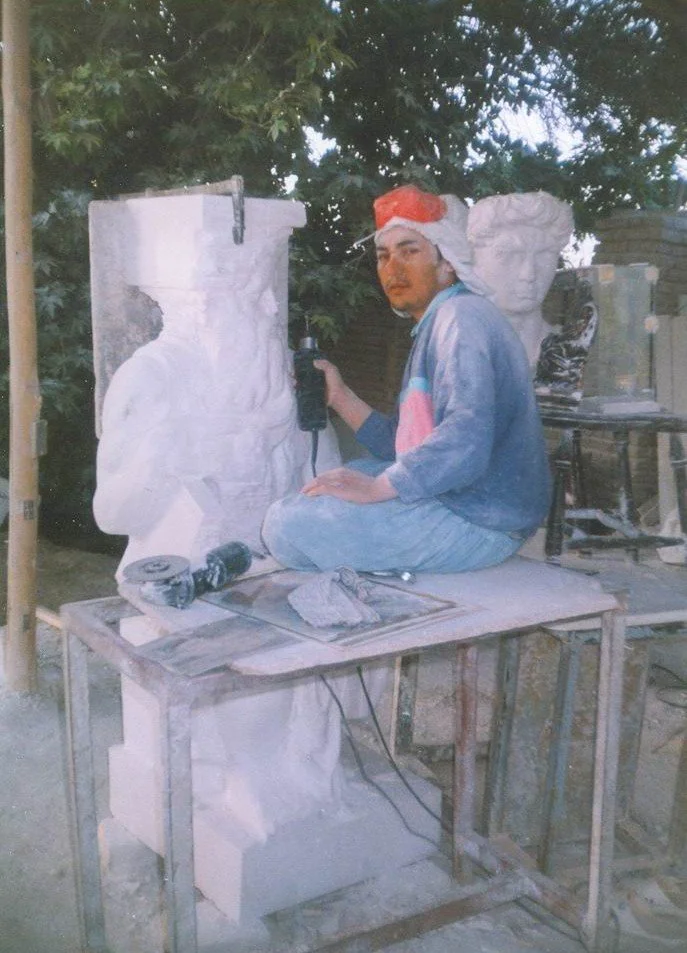
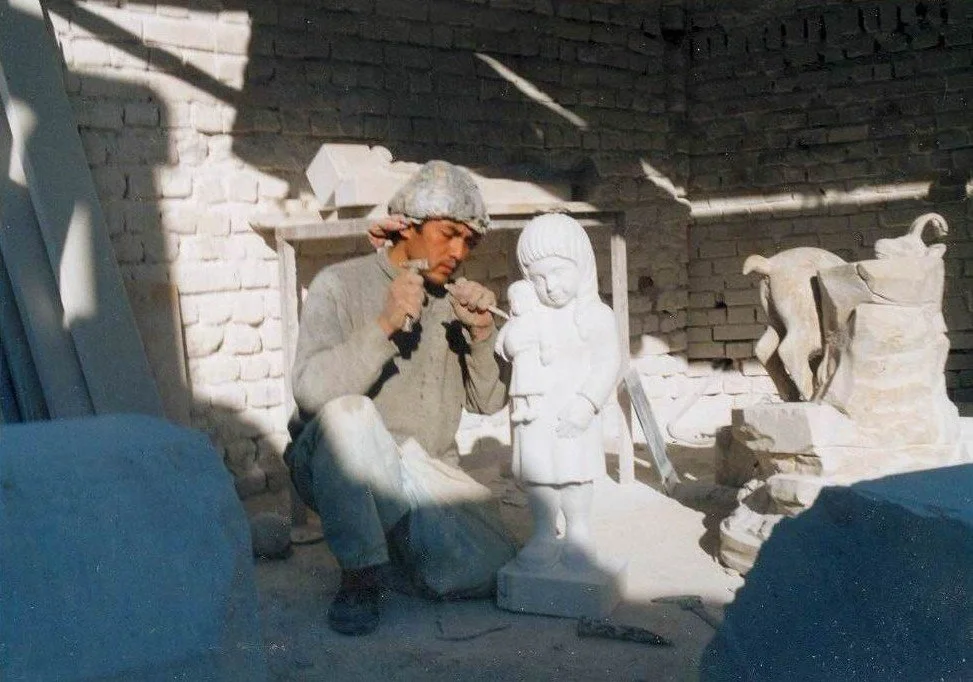
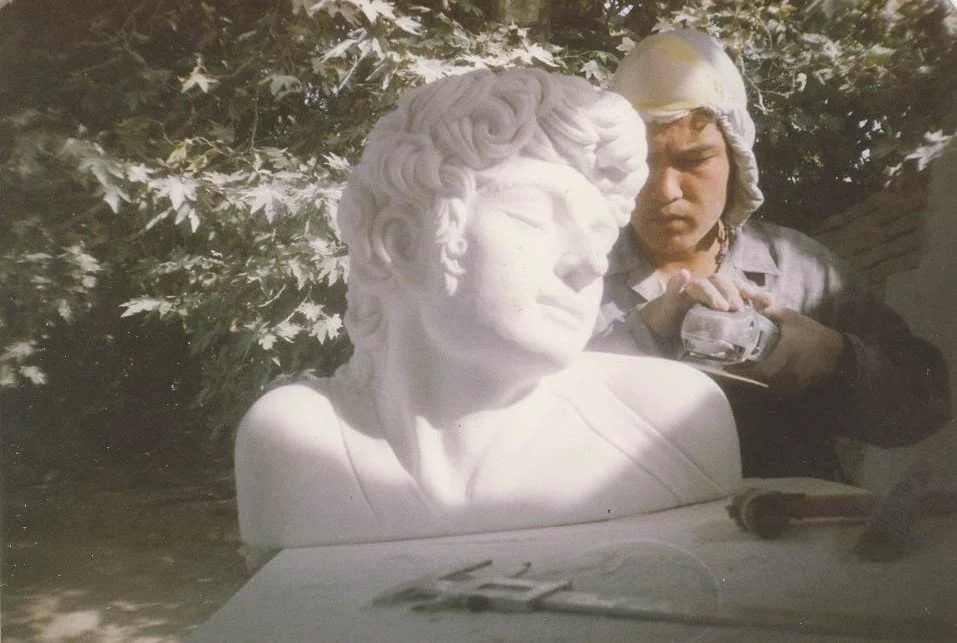
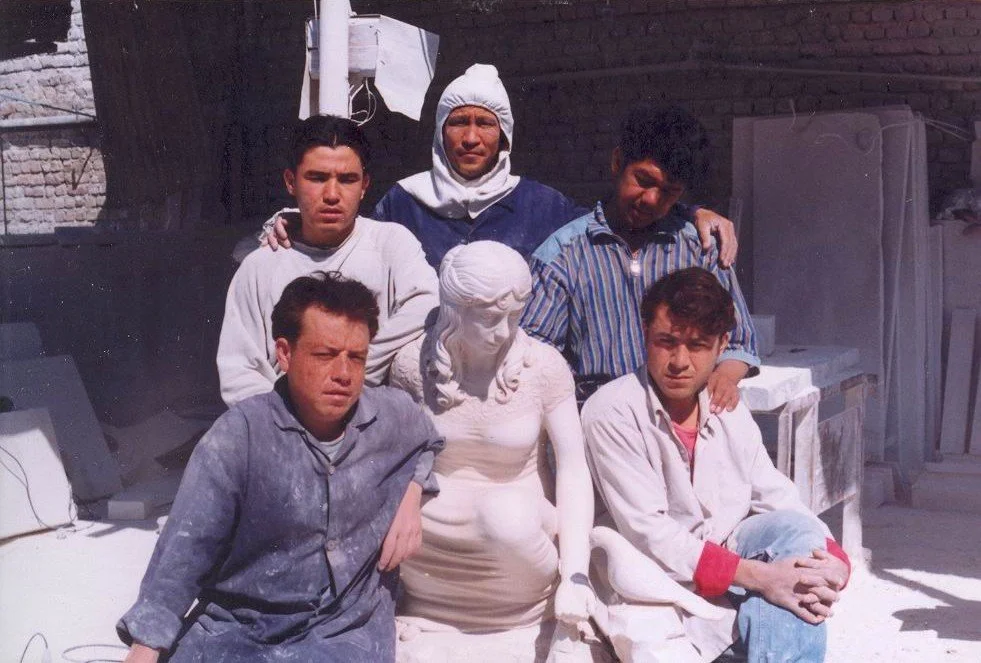
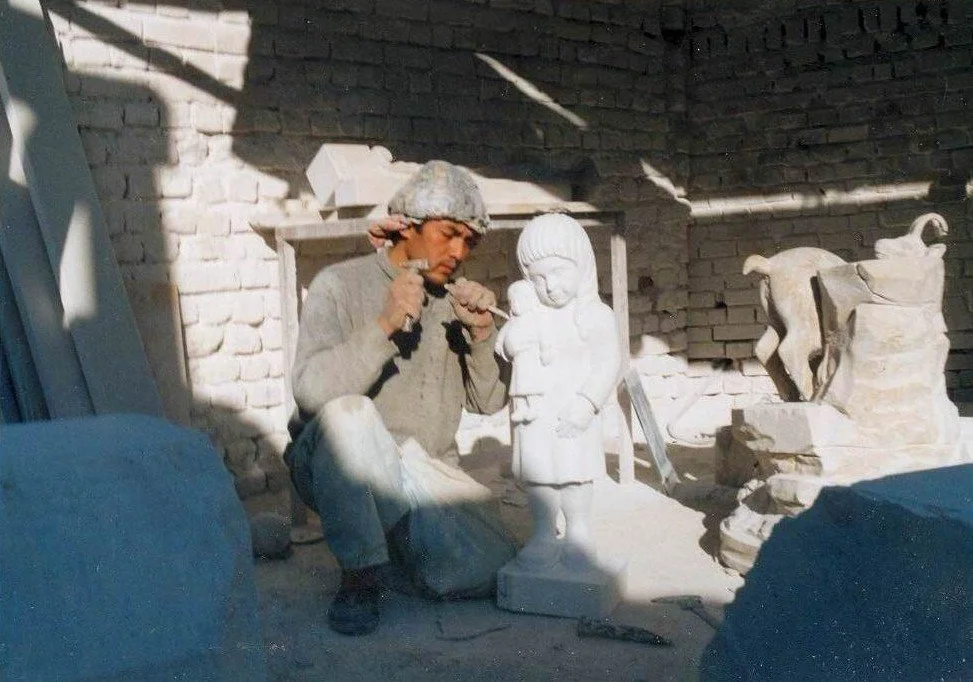
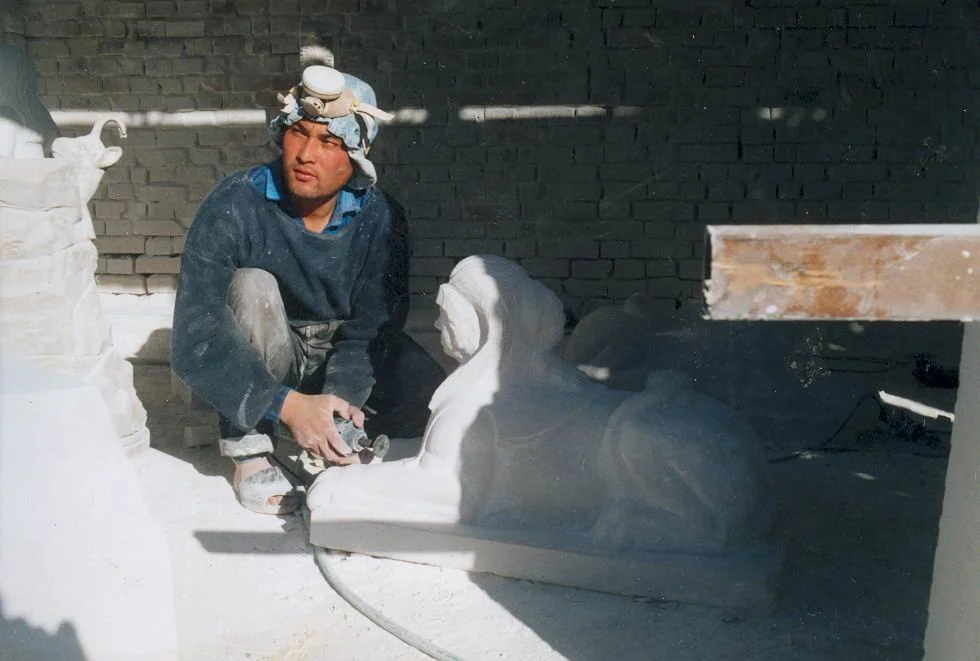
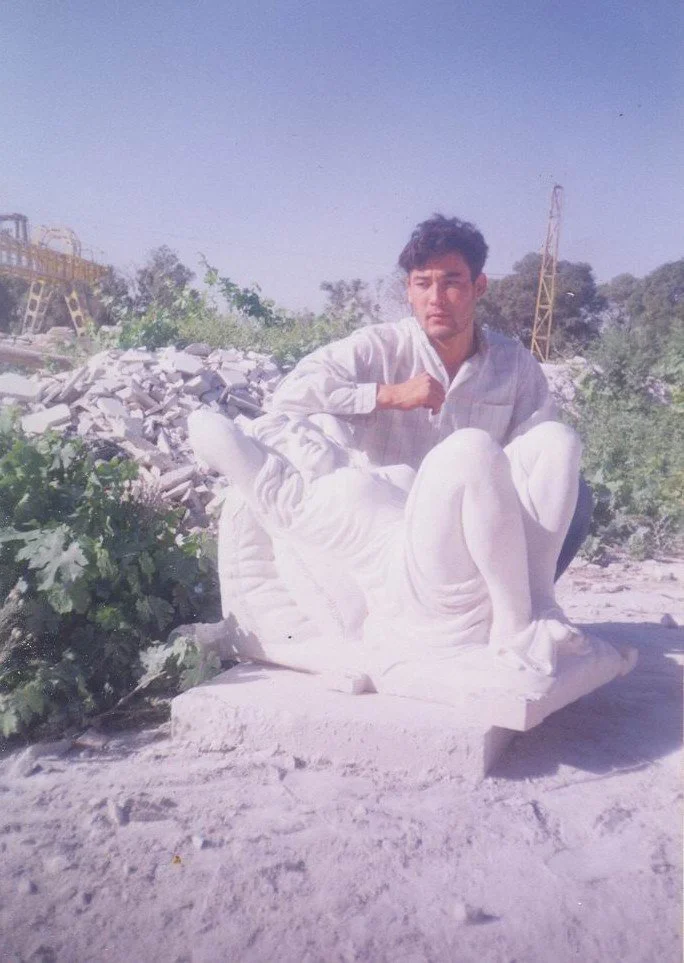
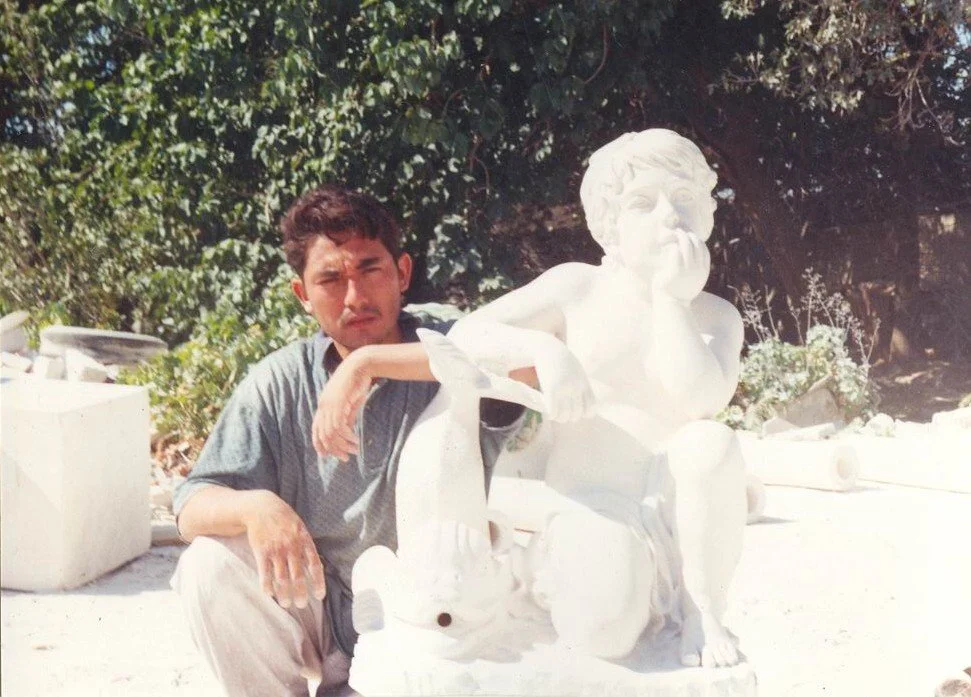
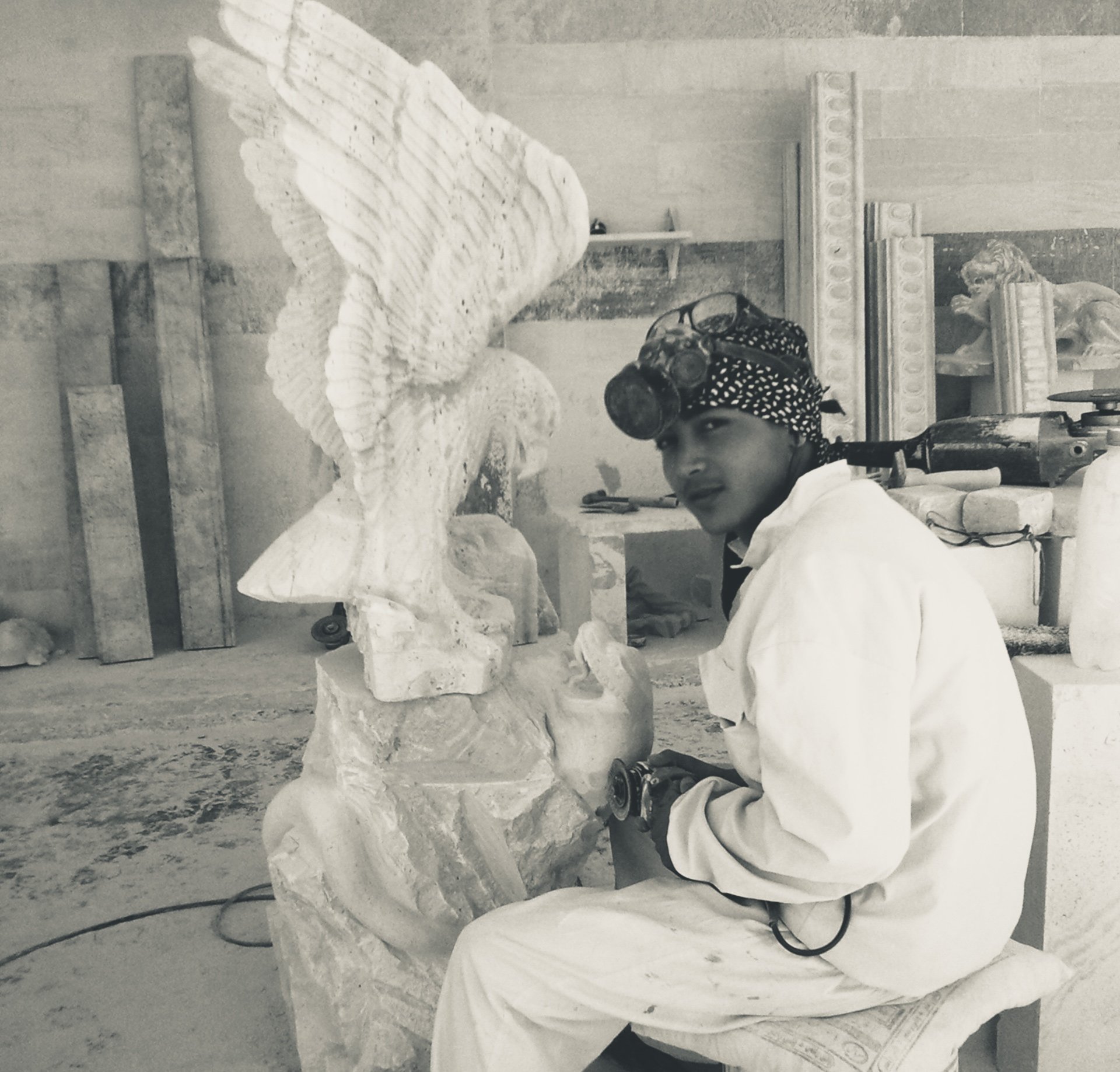
My name is Hamid Allah Mohammadi. I was born in 1999 in Tehran, Iran, into an Afghan family of sculptors. From a very young age, art become an important part of my life. When I was six years old, I became fascinated by my father’s drawing books and began copying and creating my own sketches. By the age of nine, during my summer holidays, I had started learning stone sculpture in my family’s (father and his brothers) stone workshop in Tehran.
In 2005, my uncle Abbas moved back to Afghanistan and established a stone factory in Kabul. In the spring of 2010, when I was ten years old, my father decided that our family should also return to Afghanistan so that we could join his brother.
We lived in Kabul for approximately three years. During that time, however, the situation in Afghanistan gradually became worse. Our family’s stone factory was accused of desecrating Islamic beliefs and was attacked several times by local Islamist groups. These attacks created an increasingly dangerous situation for our family. In the spring of 2013, when I was thirteen, my family made the difficult decision to leave Afghanistan and return to Iran.
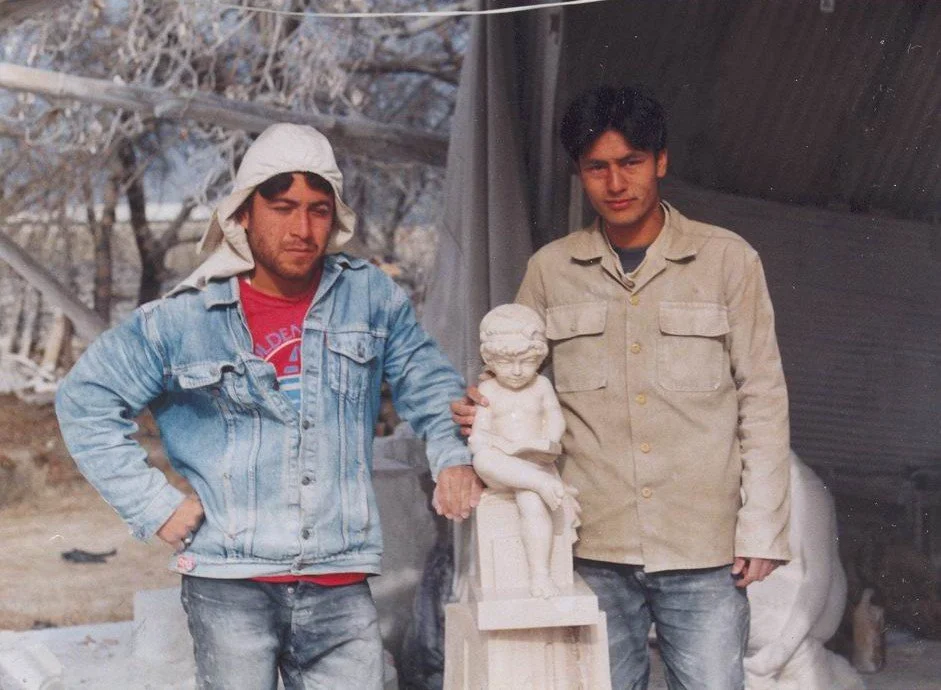
When we returned to Iran, I faced a different set of difficulties. My family did not have valid residency documents, and because I was an undocumented Afghan resident, I could not continue my education in the regular Iranian school system. Instead, my father enrolled me in private English classes and also some of the major school subjects at an informal Afghan school. While working at the family’s stone workshop I could attend to these classes at the evenings.
Being Afghan in Iran already meant facing discrimination from both society and the authorities. Being undocumented made our situation far more difficult. My family lived with the constant fear of arrest and deportation to Afghanistan. Police checks were common on buses and in different parts of the cities year-round. At different times of the year, police would also enter factories without previous informs into workplaces searching for undocumented Afghans. This uncertainty affected every part of our daily lives.
In 2015, I was still an undocumented Afghan without proper travel documents, which meant that I had no possibilities to travel legally to another country. My father was deeply concerned about our safety and our future. He therefore decided to try to get our family to a place where we could live more safely and have a better future: Europe.
Because of the circumstances and the many difficulties involved in travelling to Europe, however, I was ultimately the only member of my family who was able to make the journey all the way to Europe.
My Heritage
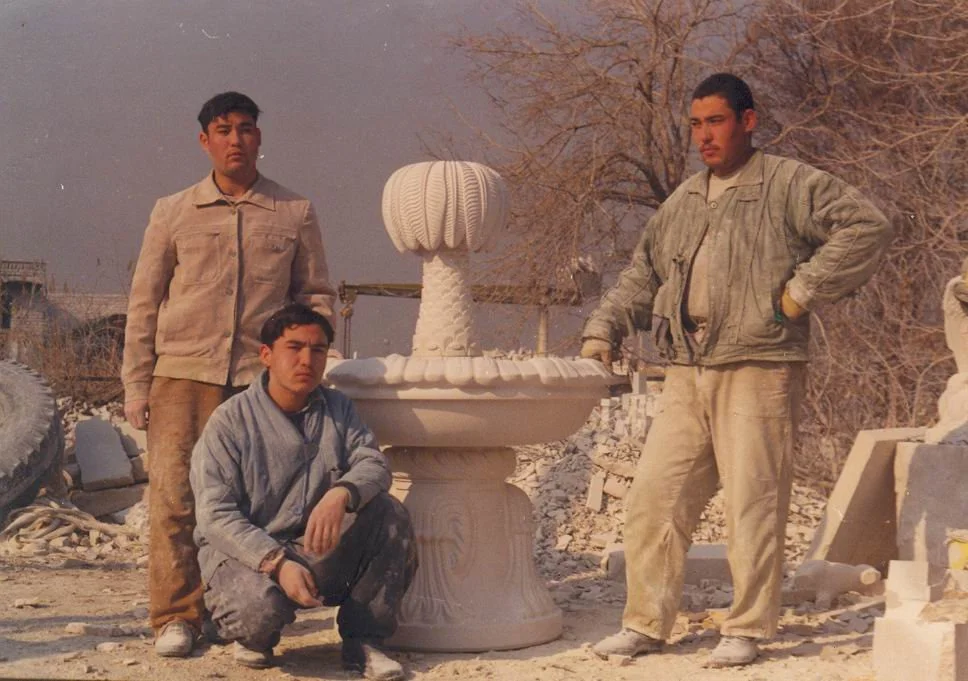
Art career initiated by the oldest son of my grandparents (Nikqadam1963-1991) who was graduated student of Fine arts in Afghanistan. Right before the civil war, my grandparents left Kabul for Mazare-i-Sharif where they established Allahdad Art School1990-1996 (هنرستان الله داد), Where they taught students and produced and sold decorative crafts and made their first replica of statue of Buddha in Bamiyan in stone. Their work encompassed a wide range of artistic and craft practices, including sign painting and sign making, restoration of antiquities, painting and selling artwork and producing decorative paintings on commission.
Nikqadam was later killed in 1991 by other Islamist-militia groups during civil war defending his people (Hazara) in Western Kabul’s war.
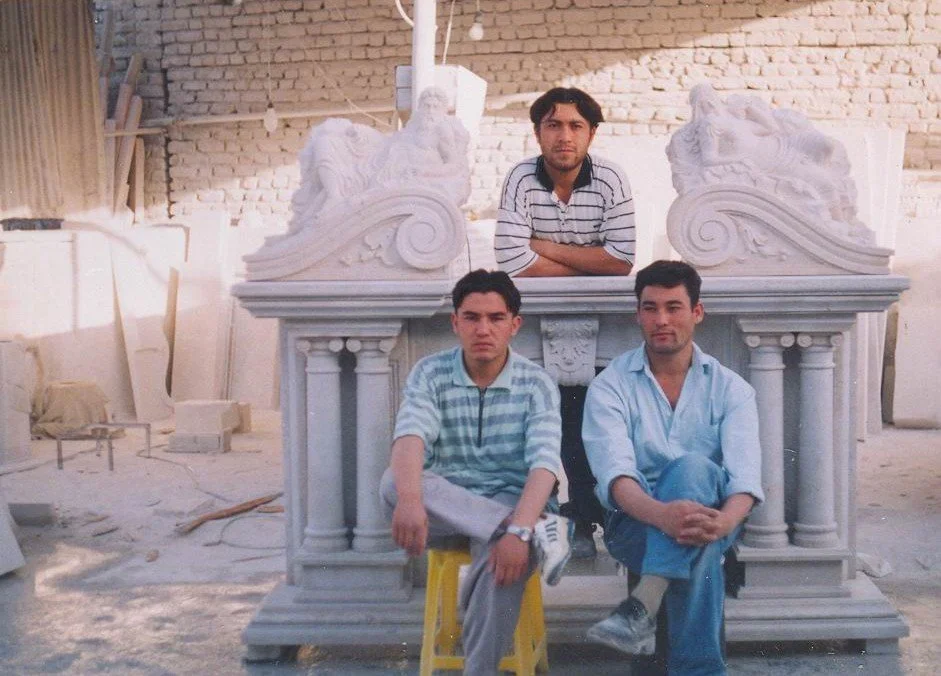
My father was born in Kabul in 1969 as the forth child in his family.During King Zahir Shahs period he studied at the Kabul Polytechnic Institute, where he developed an early connection with engineering and the built environment. During the Soviet-Afghan war (1979-1989) at the age of fifteen, he left Afghanistan and went to Iran, arriving as part of the first wave of Afghan refugees. After arriving in Tehran, he began working in a glass factory to support himself and contribute to the family's livelihood in Afghanistan.
In 1996, when the Taliban came to power in Afghanistan, the situation became even more difficult for artists and craftspeople. Many forms of artistic expression were banned or severely restricted, including painting, sculpture, music, dance, and cinema. Those who resisted these restrictions could face imprisonment, torture, and other forms of severe punishment.
The remaining members of my father's family gradually left Afghanistan and came to Iran as part of the second wave of Afghan refugees. Their arrival in Tehran became an important turning point for the family´s art career. Coming to Iran meant entering a different cultural and artistic environment, one with a deep and continuous Persian tradition in architecture, ornamentation, craftsmanship, and the visual arts.
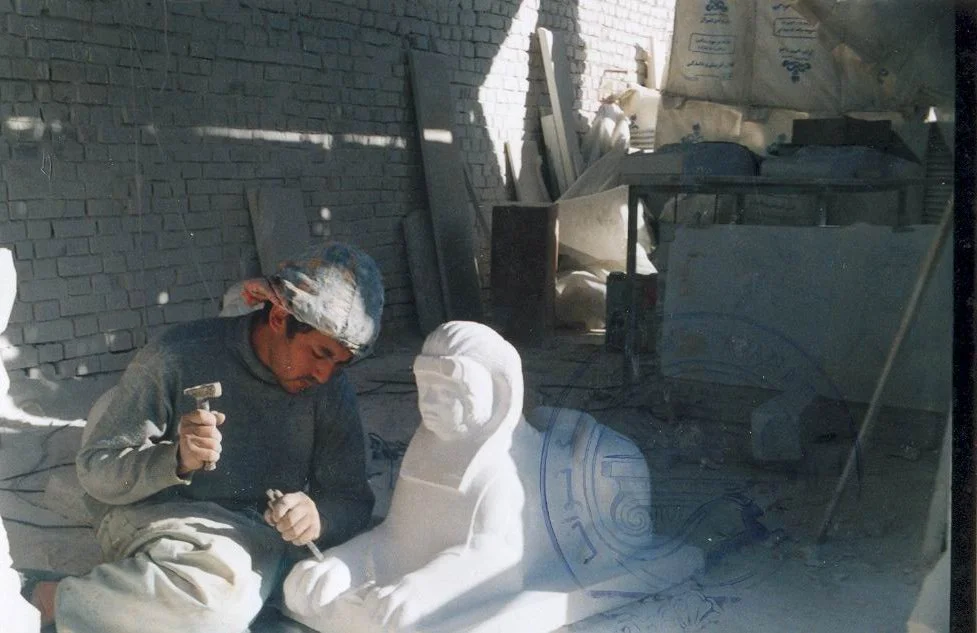
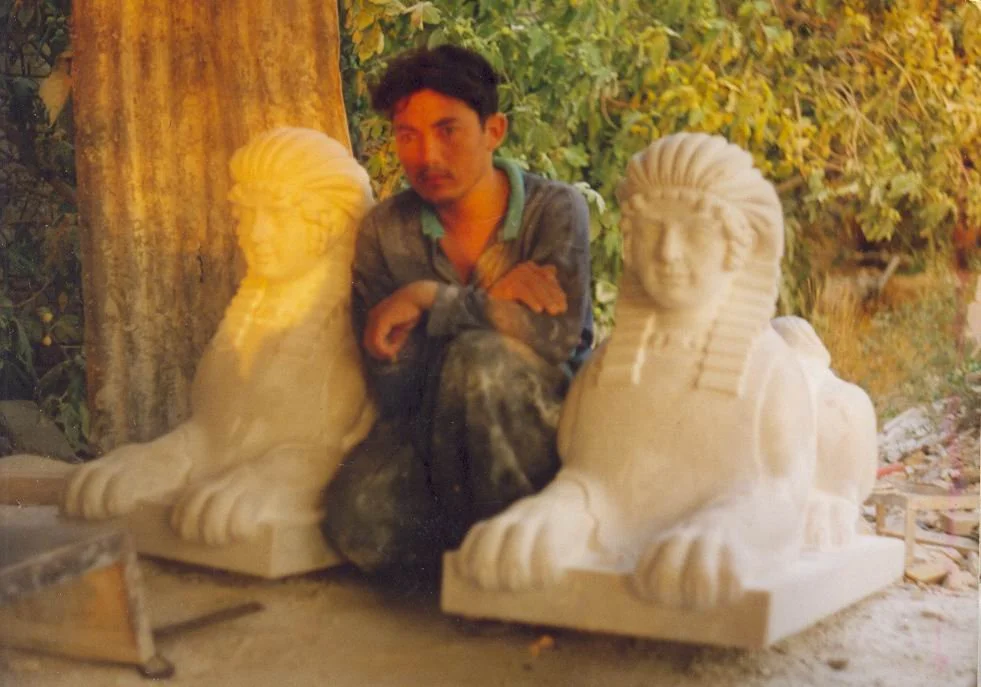
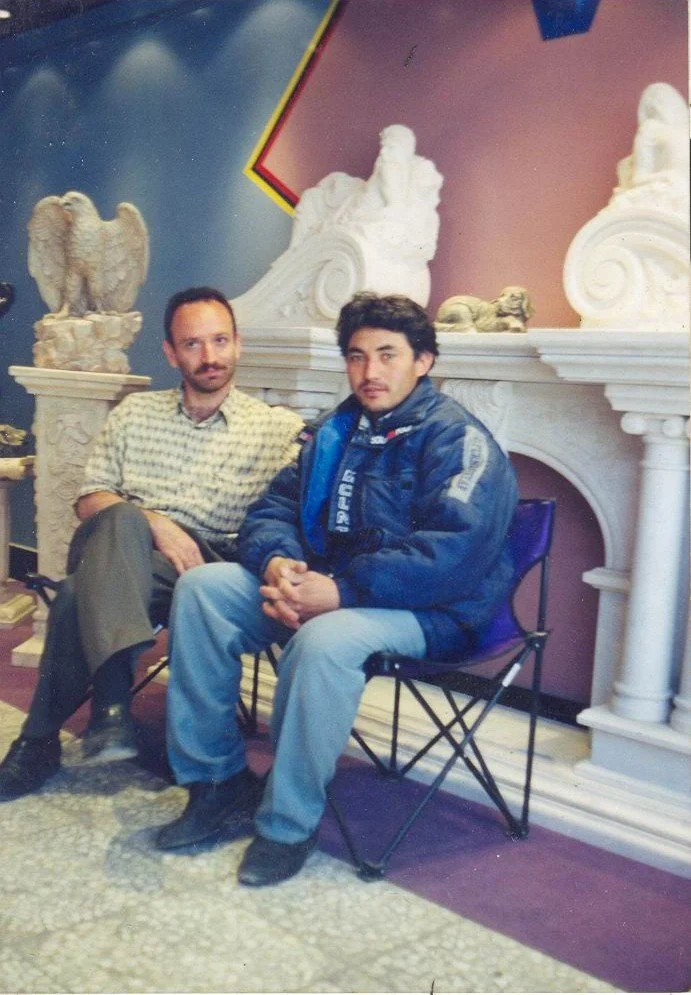
Abbas was considered particularly gifted in the arts. Through a family connections Abbas got the opportunity to show a stone factory owner what Mohamadis are capable of. It did not take long for Abbas to adapt his previous skills with new modern machines; he soon began receiving orders directly from architects and art dealers in Tehran. As the number of commissions increased and family’s reputation developed, other member of the family joined Abbas and eventually established the family's first dedicated stone-art shop in Shoosh-Tehran1995. The shop was named Tavana Stone Art — هنر سنگ توانا.
Tavana is a Farsi word which is relevant to these translations “capable, competent, skilled and/or mighty”.